
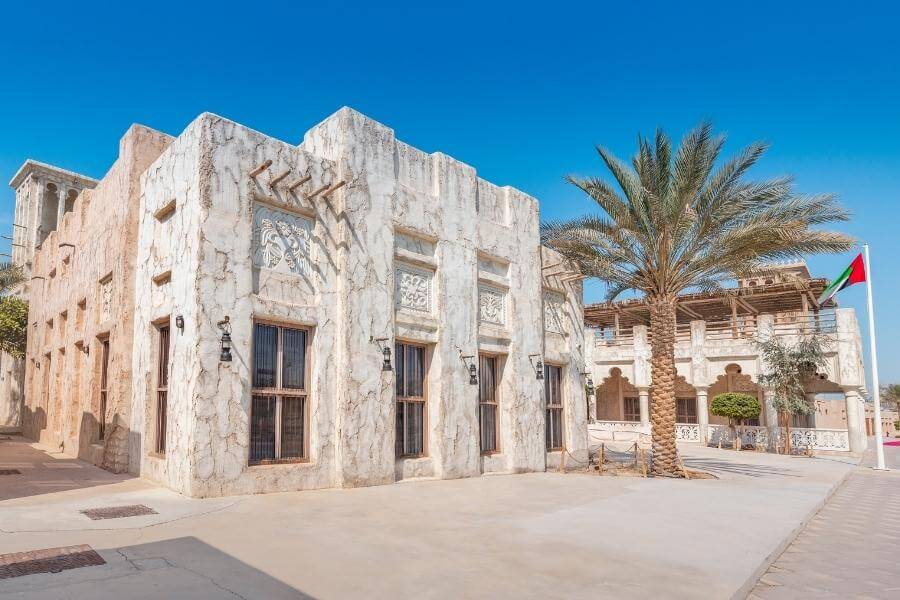
Exploring the Shindagha Historic District by the creek offers a fascinating look into Dubai’s maritime past and traditional architecture. As you walk along the waterfront promenade, you’ll see historic wind-tower houses, visit landmarks like the Sheikh Saeed Al Maktoum House, and enjoy scenic views of the creek. With nearby attractions, museums, and cultural sites, understanding the area’s significance is essential for appreciating Dubai’s heritage—yet, there’s more beneath the surface that keeps visitors engaged.
What is Shindagha?
Shindagha stands as a cornerstone of Dubai’s rich cultural heritage, located on the western banks of Dubai Creek. This historic neighborhood has been pivotal in shaping the city’s identity through centuries of trade and maritime activities.
Shindagha is a historic neighborhood central to Dubai’s cultural heritage and maritime legacy.
As an authoritative guide to Shindagha, it offers visitors an authentic glimpse into old Dubai. The area is characterized by its narrow lanes, traditional wind-tower houses, and iconic landmarks such as the Sheikh Saeed Al Maktoum House, which operates as a museum dedicated to Dubai’s history. The neighborhood also reflects its bustling past as a commercial hub, showcasing vibrant souks and fishing villages that once thrived along the creek.
Visitors can easily access Shindagha from central Dubai, making it a practical destination for cultural exploration. The area is free to explore, allowing guests to engage with its historical buildings and cultural sites, including the Dubai Museum and the Heritage Village.
Looking ahead, Shindagha will continue to be essential in preserving Dubai’s heritage while adapting to modern tourism demands. Its unique blend of history and culture positions it as a must-visit for anyone seeking to understand the emirate’s past.
Top Attractions in Shindagha
Shindagha boasts must-see attractions that highlight its rich history and culture. Next, discover the unique experiences that await you in this vibrant area.
Sheikh Saeed Al Maktoum House
The Sheikh Saeed Al Maktoum House is a pivotal landmark that encapsulates Dubai’s royal heritage and historical narrative. This iconic structure, established in 1896, was the residence of the emirate’s former rulers and plays a crucial role in understanding Dubai’s evolution.
Visiting the Sheikh Saeed Al Maktoum House provides a unique opportunity to explore the traditional Emirati architectural style, characterized by wind towers and expansive courtyards. Managed by the Dubai Culture and Arts Authority, the house has been meticulously restored to offer visitors insights into Dubai’s rich maritime history, pearl diving culture, and the legacy of its ruling family.
As a museum, it features a variety of exhibits that delve into the emirate’s past, highlighting its transition from a modest fishing village to a bustling metropolis. Admission is free, while guided tours may incur a nominal fee, enhancing the visitor experience with expert-led insights.
The Perfume House
A visit to the Perfume House in Dubai’s Shindagha Historic District immerses you in the city’s aromatic heritage. This unique destination allows you to explore centuries-old perfume-making techniques while sampling traditional scents like oud, rose, and saffron, crafted from local ingredients.
The Perfume House not only showcases a diverse array of fragrances but also provides insight into the historical significance of perfume in Dubai. Guided tours are available for an additional fee, enhancing your experience as you learn about the ancient tools used in production. Entry costs approximately 50 AED per person, making it an accessible attraction for anyone interested in cultural traditions.
For optimal enjoyment, plan your visit in the mornings or late afternoons when the temperatures are cooler. The Perfume House stands as a testament to Dubai’s rich cultural tapestry, offering a sensory experience that deepens your understanding of the region’s heritage. Engaging with the artisans and learning about their craft will provide visitors with a lasting appreciation for the art of perfumery in this dynamic city.
Traditional Architecture Museum
Discover the Traditional Architecture Museum, an essential destination for those seeking to appreciate Dubai’s architectural legacy. This museum, situated in the historic Shindagha District, offers a comprehensive exploration of traditional Emirati architecture, featuring wind towers, courtyards, and coral-stone residences.
The museum showcases a range of exhibits, including intricate scaled models and photographs that highlight construction techniques utilized centuries ago. Visitors will gain insights into the evolution of local building styles, enriching their understanding of how these practices contribute to Dubai’s cultural identity. The museum is supported by the Dubai Culture and Arts Authority, ensuring that the exhibits reflect a commitment to preserving local heritage.
Entry fees range from AED 10 to AED 20, making it a budget-friendly option for families and students. This accessibility encourages community engagement with Dubai’s history, making the museum a significant educational resource.
As Dubai continues to evolve, the Traditional Architecture Museum stands as a reminder of the city’s rich past and its impact on modern urban development. A visit here is not just an exploration of old structures, but an invitation to connect with the foundations of Dubai’s vibrant culture.
Historic Dock
Visiting the Historic Dock in Dubai provides a compelling insight into the city’s maritime heritage and its pivotal role as a trading center. This destination, situated near Dubai Creek, serves as a testament to the rich shipping history that has shaped the region.
The Historic Dock features a captivating collection of traditional wooden dhows, which are emblematic of Dubai’s maritime past. These vessels were instrumental in the trade routes that once flourished, connecting Dubai to other regions. The Dubai Culture and Arts Authority has curated informative displays that delve into the evolution of maritime trade, showcasing the importance of these vessels in local commerce. Nearby, the bustling activity of the Creek is a vibrant reminder of Dubai’s ongoing relationship with the sea.
As you explore, take advantage of the photo opportunities with the historic boats and enjoy local snacks at nearby cafés. The area remains a free attraction, inviting all visitors to connect with Dubai’s nautical legacy while experiencing the lively atmosphere of the Creek. This blend of history and contemporary culture enhances the significance of the Historic Dock as a must-visit site for both residents and tourists alike.
Waterfront Promenade
The Waterfront Promenade in Shindagha provides an accessible and scenic route along Dubai Creek, perfectly blending historic charm with modern urban life. This guide explores its features and benefits, enhancing your visit to this iconic Dubai location.
The promenade serves as a vital recreational space for both locals and tourists, encouraging activities like walking, jogging, and picnicking. Managed by Dubai’s Roads and Transport Authority (RTA), it offers well-maintained pathways and facilities, ensuring a pleasant experience for everyone. Visitors can enjoy uninterrupted views of the city skyline and traditional dhows, creating a picturesque backdrop for photography.
Key landmarks along the promenade include the Shindagha Heritage District, where historical architecture tells the story of Dubai’s maritime past. Informative signage throughout the area provides insights into the heritage of the district, fostering a deeper connection with the city’s history. Benches and shaded areas encourage relaxation, making it a perfect spot for unwinding after exploring the vibrant surroundings.
As Dubai continues to develop, the Waterfront Promenade remains a crucial link between the city’s past and its future. This balance of tradition and modernity enhances the cultural fabric of Dubai, inviting visitors to engage with its rich maritime legacy while enjoying the dynamic urban landscape.
How to Visit Shindagha
To explore Shindagha, consider your transportation options and the ideal visiting months for a more enjoyable experience.
Getting There
Reaching the Shindagha Historic District is simple and accessible, catering to various modes of transportation, including cars, public transit, and boats. This guide provides essential insights for every traveler seeking to explore this culturally rich area of Dubai.
For those driving, convenient parking options are available at designated lots and street parking for a nominal fee. The Roads and Transport Authority (RTA) ensures ample signage to guide you to these facilities, making your arrival stress-free.
Public transit users can take advantage of the Dubai Metro, with both Al Ras and Al Ghubaiba stations located within a short walking distance from the district. Regular bus services also connect the area, offering an efficient alternative for those prioritizing public transportation.
For a unique experience, consider crossing Dubai Creek on a traditional abra. The abras, operated by the RTA, provide an affordable and picturesque route, allowing travelers to soak in the stunning views of the creek and surrounding heritage sites.
As Dubai continues to develop its cultural landscape, the Shindagha Historic District remains a testament to the city’s rich history. Future enhancements in transportation infrastructure will only increase accessibility, drawing more visitors to experience this vibrant historical hub.
Best Time to Visit
The ideal time to experience the Shindagha Historic District lies between November and March, when temperatures hover between 15°C and 25°C. This period offers a comfortable climate, allowing visitors to fully immerse themselves in the cultural richness of the area without the oppressive heat of summer.
Timing your visit on weekdays can enhance your experience, as the district usually sees fewer crowds compared to weekends. This tranquility enables a more relaxed exploration of key attractions such as the Dubai Museum and the restored Al Fahidi neighborhood. Early mornings or late afternoons provide the best natural lighting for photography while also minimizing the number of visitors.
During the cooler months, Dubai often hosts various cultural festivals and exhibitions, such as those at the Dubai Museum, which enrich your visit. Engaging with local events offers deeper insights into Dubai’s heritage and community life, making your trip more meaningful.
Planning your visit for this optimal timeframe ensures a memorable experience in one of Dubai’s most significant historical areas, allowing you to appreciate the city’s rich past while enjoying its vibrant present.