

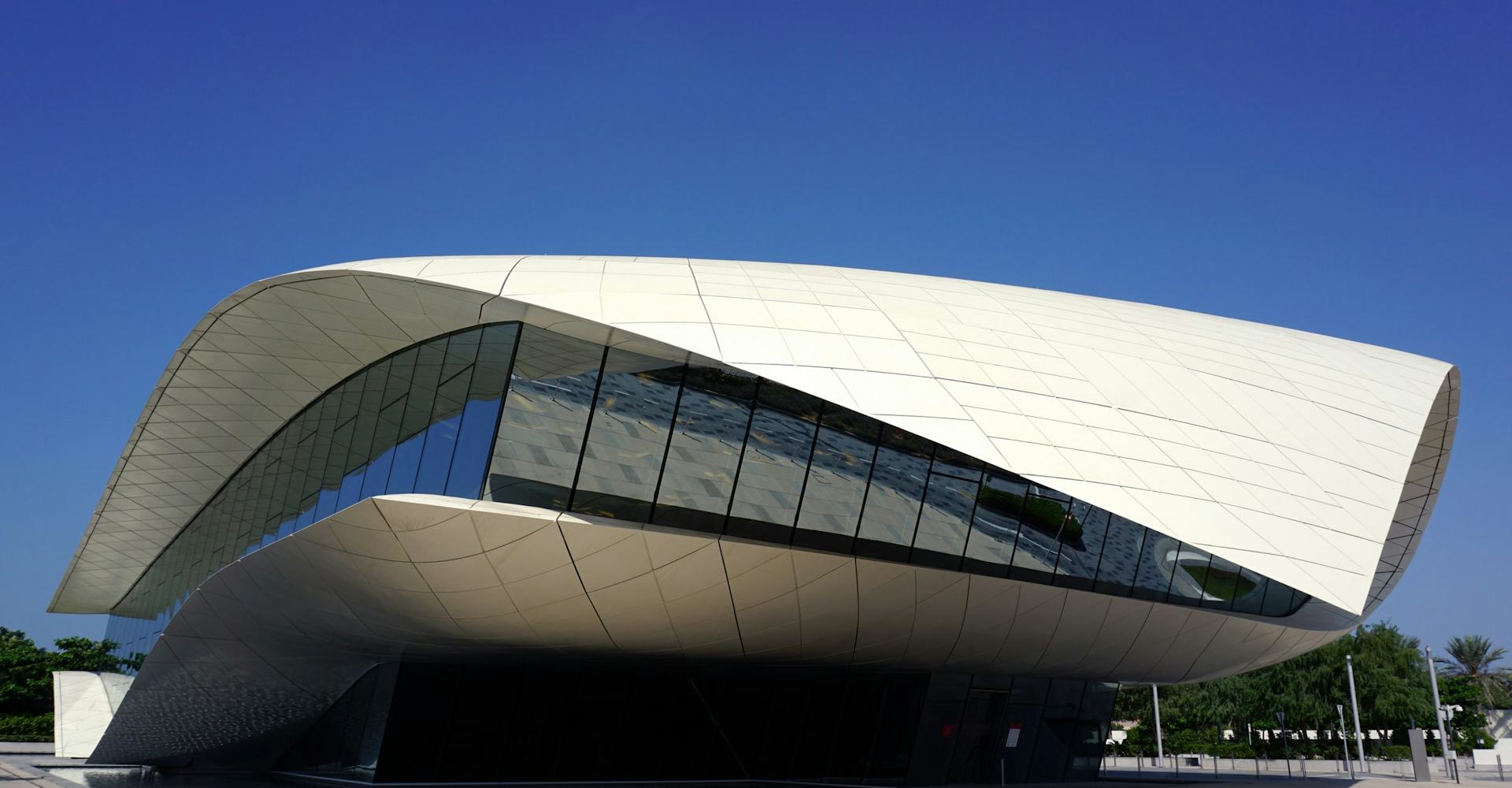
Have you ever wondered how a nation’s history shapes its future? The Etihad Museum in Dubai offers a clear window into the modern history of the UAE, highlighting the pivotal moments when the country was founded in 1971. Located at the Union House, the museum features exhibits, documentaries, and artifacts that reveal the story behind the UAE’s unity. With affordable entry costs and easy access, understanding the nation’s journey has never been more accessible—yet there’s much more to uncover about what makes this country unique.
A Short History of the UAE
The United Arab Emirates (UAE) boasts a remarkable history that has shaped its current identity. Officially independent since December 2, 1971, the nation emerged from a coalition of seven distinct emirates, each with its own governance, into a unified state that prioritizes stability and progress.
Dubai, as one of the leading emirates, plays a pivotal role in the UAE’s development narrative. The Dubai Government, alongside the Roads and Transport Authority (RTA), has transformed the city’s infrastructure, facilitating seamless connectivity and enhancing urban mobility. Landmark projects, such as the Burj Khalifa and Dubai Marina, highlight the emirate’s commitment to innovation and global prominence. The swift economic transition post-oil discovery in the 1950s has positioned Dubai as a hub for tourism, trade, and finance, attracting international investments.
As the UAE continues to evolve, its strategic focus on sustainability and diversification will likely shape its future landscape. Initiatives like the Dubai Clean Energy Strategy 2050 reflect a commitment to sustainable growth, ensuring that the emirate remains a model of resilience and innovation in a rapidly changing world.
The Etihad Museum – What’s Inside
The Etihad Museum offers an immersive experience that celebrates the history and formation of the United Arab Emirates. This guide serves as your ultimate resource for navigating this landmark, ensuring you gain a comprehensive understanding of its significance and offerings.
The museum, spanning 25,000 square meters, is strategically located on the very site where the UAE’s constitution was signed in 1971. Its architectural design features a striking white curved roof, resembling a folded manuscript, complemented by seven golden columns that symbolize the pens used for signing the union. This unique design reflects the essence of the UAE’s rich heritage and commitment to unity.
Inside, the Etihad Museum houses the Founding Fathers’ Hall, which showcases documentary films, photographs, and historical artifacts from the 1950s leading up to unification. The underground exhibits include a versatile theatre, a library, and dedicated educational spaces that facilitate deeper engagement with the nation’s history. Admission is affordably priced at AED 25 for adults, with various discounts available for groups and students, while children under five and visitors of determination enjoy free entry.
Looking ahead, the Etihad Museum exemplifies Dubai’s dedication to preserving its cultural narrative while educating future generations. As a visitor, you can expect an enriching experience that not only informs but also inspires a sense of pride in the UAE’s remarkable journey. For more information, visit the official Etihad Museum website or consult the Dubai Culture and Arts Authority.
Union House & Flag Pole
Standing on the grounds of the Etihad Museum, Union House and the Flag Pole serve as pivotal landmarks that encapsulate the essence of the United Arab Emirates’ history. These sites are not just historical markers; they are tangible connections to the nation’s foundational moments.
Union House is a modest circular structure where the UAE’s constitution was signed in 1971. This site, overseen by the Dubai Culture and Arts Authority, often goes unnoticed but signifies a momentous occasion in the country’s journey toward unity. Visitors can explore this landmark for free, although guided tours may require advance booking to fully appreciate its significance.
Adjacent to Union House, the 123-meter-tall Flag Pole stands as a powerful emblem of the UAE’s independence and unity. It is here that the national flag was first raised, symbolizing the collective spirit of the seven emirates. The site, managed by the Dubai Municipality, offers a striking visual that reinforces national pride and heritage.
Etihad Museum Entry Costs
Entry costs at the Etihad Museum are intentionally designed to be accessible, ensuring that everyone can engage with the rich history of the UAE. The museum’s ticket prices are structured to accommodate visitors of all ages, with adults paying 25 AED, students aged 5 to 24 charged only 10 AED, and free entry for children under 5 and individuals of determination.
For group visits, the Etihad Museum offers an attractive discount, reducing the price to 20 AED per person. This initiative encourages schools and organizations to explore the museum collectively, fostering a shared appreciation for the nation’s heritage. It’s important to note that tickets provide access for a full day, allowing ample time to absorb the exhibits.
Visitors should anticipate potential additional fees for special events or temporary exhibitions. To optimize your experience, it’s advisable to check the official Etihad Museum website or contact their customer service for any updates or specific requirements before your visit. Engaging with this cultural landmark not only enriches personal knowledge but also contributes to a broader understanding of the UAE’s historical narrative.
Best Time to Visit Etihad Museum
The Etihad Museum in Dubai offers a compelling experience, best enjoyed during specific times of the year and day. Understanding when to visit is crucial for maximizing your experience at this cultural landmark.
For an optimal experience, plan your visit between November and March. During these cooler months, outdoor exhibits become more enjoyable, and the crowds tend to be lighter, allowing for a more immersive exploration of the museum’s rich history. The museum operates daily from 10:00 AM to 8:00 PM, providing ample opportunity for visitors to explore.
To avoid congestion, particularly from school groups, consider visiting during early mornings or late afternoons on weekdays. The museum’s proximity to key attractions such as the Dubai Frame and Jumeirah Beach makes it a convenient stop, yet weekends and school holidays may draw larger crowds.
As you plan your visit, be aware of local events or VIP visits that could influence crowd levels. By strategically selecting your visit time, you can fully appreciate the cultural significance of the Etihad Museum while enjoying a serene atmosphere.
How to Get to Etihad Museum
To reach the Etihad Museum in Dubai, visitors will find the location in the Port Rashid area along Jumeirah Road. The museum is most conveniently accessed by taxi or private vehicle, as there are no direct public transport options available. Inform the taxi driver that you are heading to “Union House,” a recognized landmark that facilitates easier navigation.
Parking facilities are accessible nearby, making it convenient for those driving. The Etihad Museum is situated near the end of 2 December Street and is close to the World Trade Centre Roundabout, a notable reference point for directions.
Entry fees are structured at 25 AED for adults, 20 AED for groups, and 10 AED for students, providing an affordable option for all visitors. The museum operates daily from 10:00 AM to 8:00 PM, with optimal visiting times during weekdays or outside school hours to minimize crowds and enhance the experience.
Consider planning your visit to this historical site to gain insights into the UAE’s rich heritage and cultural significance, reinforcing its role as an essential part of Dubai’s identity.