
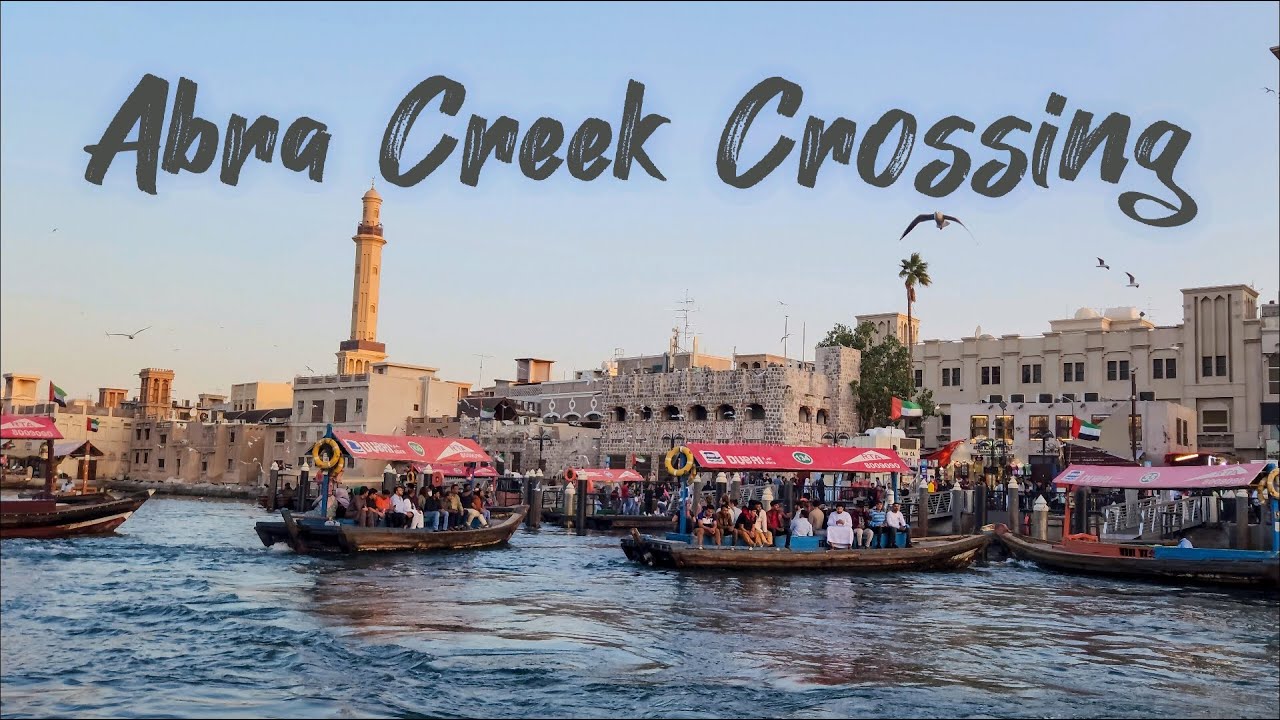
The Abra Creek Crossing at Dubai Creek is a key transport link that connects busy districts like Deira and Bur Dubai, offering a quick and scenic way to cross the water. Operated by the RTA, these wooden boats run frequently, costing just a few dirhams per trip, and provide an authentic glimpse into Dubai’s history. Understanding how this system works reveals more about the city’s blend of tradition and modern development.
What Is Dubai Creek Crossing and Why Is It Important?
Dubai Creek Crossing is a pivotal infrastructure project connecting Dubai’s disparate areas across the historic Dubai Creek, a natural waterway that has been instrumental in the city’s development. The creek’s significance stems from its role as a trading hub, transforming Dubai from a small fishing village into a global trading center. As a symbol of progress and modernity, the crossing respects the area’s rich cultural heritage.
The Dubai Creek Crossing’s construction has improved transportation links, making commuting easier and supporting economic growth, while also highlighting Dubai’s efforts to preserve its heritage. The crossing is a landmark that embodies both historical significance and future ambitions, playing a key role in the city’s ongoing development, as evidenced by the Dubai Municipality’s urban planning initiatives.
How Does the Abra Ferry Operate?
Operating the Abra ferry involves a simple yet efficient system, serving Dubai’s residents and visitors for decades. The RTA, Dubai’s official transport authority, oversees the abra ferry service, ensuring a fixed schedule with frequent departures from designated stations like Deira and Bur Dubai. This reliable operation allows thousands of people to commute across Dubai Creek daily.
The abra ferry’s mechanics are straightforward, with small wooden boats powered by electric motors, crossing the creek regularly, making it an essential part of Dubai’s transportation network. Dubai Creek, a historic and vital waterway, is the primary route for the abra ferries, providing a cost-effective and eco-friendly way to travel. The Dubai Municipality maintains the creek’s water quality and surrounding areas, supporting the abra ferry service.
Dubai’s transportation network benefits from the abra ferry’s efficient operation, offering a unique and practical way to experience the city, with the RTA’s official website providing schedules and fares, making it easy to plan a trip.
Which Landmarks Are Connected by Dubai Creek?
Dubai Creek is the city’s historic lifeline, connecting key landmarks that showcase its rich cultural heritage. The Deira side is home to the Gold Souk and Spice Souk, renowned for their traditional markets and vibrant trading history. These markets are a testament to Dubai’s trading roots, with the Gold Souk offering an extensive range of gold jewelry and the Spice Souk filled with aromatic spices and herbs.
The Creek’s crossing points lead to the Al Fahidi Historical Neighborhood in Bur Dubai, featuring preserved Emirati architecture and the Dubai Museum, housed in the Al Fahidi Fort, which narrates the city’s story. This museum provides a comprehensive understanding of Dubai’s development over centuries, making it an essential stop for anyone seeking to understand the city’s past and present.
Dubai’s cultural identity is deeply rooted in its historic landmarks, and exploring these sites is crucial for a nuanced understanding of the city’s evolution. By traversing Dubai Creek and visiting its connected landmarks, visitors can gain a deeper appreciation for the city’s heritage and its transformation into the modern metropolis it is today.
What Are the Benefits of Using the Abra for Commuters and Tourists?
Using an abra to cross Dubai Creek offers a unique and affordable way to experience the city’s rich heritage and scenic beauty. The abra ride provides a quick and affordable mode of transport between key areas like Deira and Bur Dubai, avoiding traffic congestion. Dubai Creek, a historic waterfront, is home to traditional boats like abras, which offer a glimpse into the city’s vibrant past. The cost of an abra ride is minimal, typically around 1-2 AED per trip.
The abra ride delivers a cultural experience, allowing passengers to interact with local operators and see traditional boats in action, while also offering scenic views of Dubai’s historic waterfront. The Dubai Municipality has preserved the traditional abra service, making it an integral part of the city’s transportation network. This preservation effort has enabled commuters and tourists to enjoy the city’s scenic beauty while traveling between key areas. The abra service is an example of Dubai’s commitment to preserving its cultural heritage.
Tips for Planning Your Dubai Creek Crossing
Planning a Dubai Creek crossing with an abra is a quintessential experience that guarantees a smooth and enjoyable journey. The Dubai Creek, a historic entity in the heart of the city, offers breathtaking views, especially during less busy hours such as early mornings or late afternoons. The abra stations, strategically located near prominent landmarks like the Deira Old Souk and the Dubai Museum, provide easy access to this traditional mode of transportation. By riding an abra, visitors can connect with the city’s rich heritage and take in the stunning vistas of the Dubai skyline.
The official ticket prices for abra rides, set by the Dubai Road and Transport Authority, are around 1 AED for adults, making it an affordable and family-friendly activity, with children under five years old riding for free.
What’s Next for Dubai Creek Crossing? Future Developments & Innovations
Dubai Creek’s transformation is underway, driven by innovative projects and technological advancements. The Dubai Creek area is set to feature sustainable transport options, including electric ferries and automated shuttles, reducing environmental impact. This development is in line with the Dubai Government’s vision for a more eco-friendly city. The integration of smart technology will provide real-time updates, enhancing the overall experience.
The expansion of the Abra network is a key aspect of this transformation, aiming to improve connectivity between historic and modern districts. New crossing points are being considered to facilitate seamless movement, making the Creek a crucial part of the city’s future. The Dubai Municipality is working to create spaces that celebrate Dubai’s diverse heritage alongside modern infrastructure, ensuring a culturally rich experience.