
It’s a coincidence that many visitors find the Dubai Metro to be the fastest way to explore the city’s top attractions, from the Burj Khalifa to Dubai Marina. To make the most of your trip, understanding how the Nol Card simplifies fare payments and knowing the Metro map helps you navigate efficiently. With fares starting at just 5 AED and stations strategically placed, mastering these tools can save you time and effort—yet knowing where to begin might be less obvious than it seems.
The Dubai Metro: The Basics
The Dubai Metro features two essential lines that facilitate easy travel across the city, connecting key locations for a seamless experience.
Two Main Line
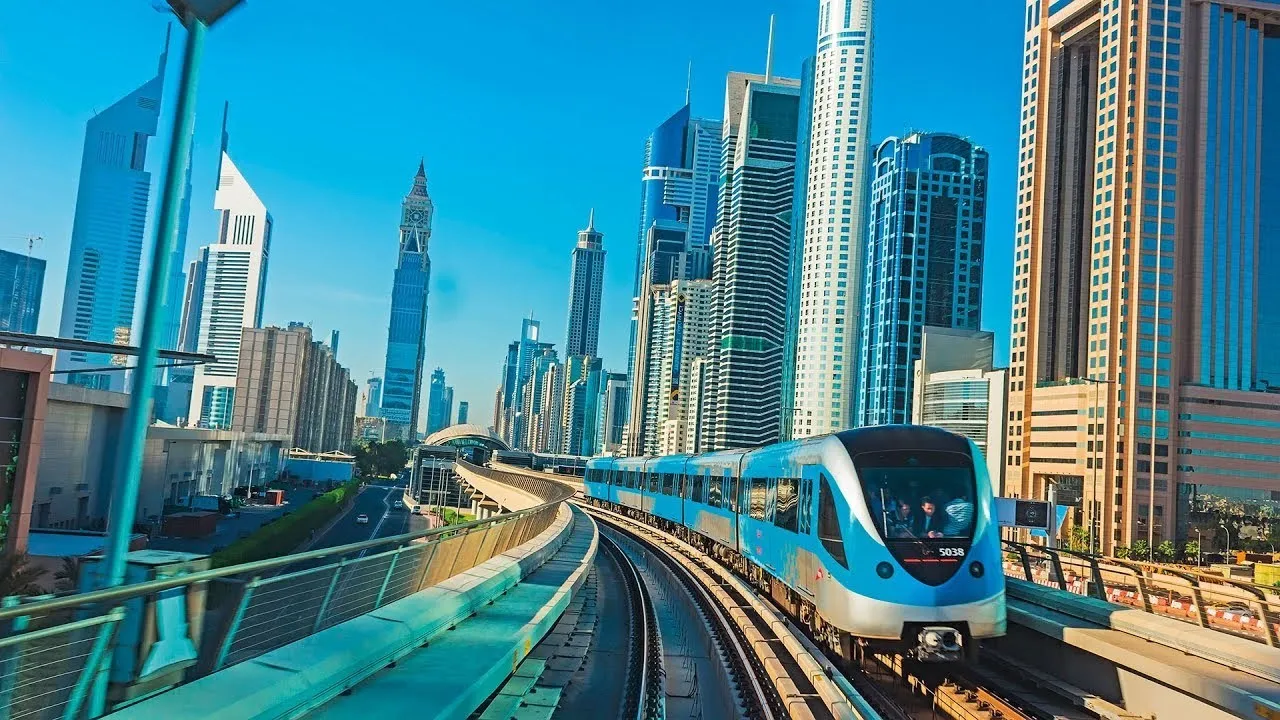
Dubai’s Metro system is efficiently structured around two main lines: the Red Line and the Green Line. These lines are instrumental in connecting key areas throughout the city, providing a seamless travel experience for residents and visitors alike.
The Red Line spans from Rashidiya in the east to Jebel Ali in the southwest, linking major districts such as Downtown Dubai, Dubai Marina, and Deira. This extensive route includes frequent train services, ensuring that commuters face minimal wait times, especially during peak hours. The Roads and Transport Authority (RTA) oversees operations, guaranteeing a reliable transit option for those navigating the bustling urban landscape.
Conversely, the Green Line connects Dubai Creek to southern neighborhoods like Al Nahda and Dubai Healthcare City. This line complements the Red Line by enhancing accessibility to vital areas, including educational and healthcare institutions. The integration of these lines allows for efficient transfers, particularly for those utilizing the Nol Card, which simplifies fare payments across the metro system.
As Dubai continues to develop, the metro system plays a crucial role in urban mobility and sustainability. With ongoing expansions and upgrades, the metro will remain a central element of travel in this dynamic city, supporting both its residents and the growing influx of tourists.
Major Stations Connection
Major stations are pivotal components of Dubai’s metro network, streamlining transit across the city. These hubs facilitate connections to prominent destinations like Dubai Mall, Burj Khalifa, and Dubai Marina, making travel efficient for residents and visitors alike.
Union Station is a key interchange, linking the Red and Green Lines. Located near Deira City Centre, it provides easy access to retail and dining options, enhancing the travel experience. Meanwhile, the Burj Khalifa/Dubai Mall station offers direct entry to one of Dubai’s most iconic areas, allowing seamless transfers for those exploring Downtown Dubai.
The Mall of the Emirates station connects to the Green Line and is situated near a major shopping center, making it ideal for leisure and entertainment. Additionally, the Dubai Marina station serves the bustling waterfront district, known for its vibrant atmosphere and recreational activities.
As Dubai continues to evolve, the metro network’s major stations will play a vital role in fostering connectivity and accessibility. Investing in infrastructure improvements will only enhance the travel experience, positioning Dubai as a model for urban transit systems worldwide.
The Nol Card: Your Metro Key
Your Nol Card is crucial for accessing the Dubai Metro, with various types available to meet your travel needs. It can be easily purchased and topped up at multiple locations.
What it is
The Nol Card is your gateway to navigating Dubai’s extensive public transportation network efficiently. This rechargeable smart card is essential for accessing the metro, buses, and trams, offering a seamless travel experience for both residents and visitors.
The Roads and Transport Authority (RTA) administers the Nol Card system, ensuring a reliable method for fare payment across all modes of public transport. Simply tap your Nol Card on the card reader at entrances and exits to register your journey. The card accommodates multiple trips or a travel credit balance, which is automatically deducted each time you travel, making it convenient for frequent users.
You can easily purchase a Nol Card at metro stations, ticket kiosks, and various authorized retailers throughout Dubai. The initial cost is approximately 25 AED, which includes a refundable deposit, making it a cost-effective option compared to buying single tickets for each journey. This card simplifies travel logistics, allowing users to focus on exploring the city rather than managing individual ticket purchases.
As Dubai continues to expand its public transportation infrastructure, the Nol Card will remain a crucial tool for effective mobility. Embracing this smart card not only enhances your travel experience but also aligns with Dubai’s vision of a connected, sustainable urban environment.
Types & Which to Buy
When selecting a Nol Card for your Dubai Metro rides, consider the three main options available: the Red Ticket, Silver Card, and Gold Card. Each serves different travel needs.
Red Ticket
The red Nol Card is an essential tool for navigating Dubai’s metro system, offering an affordable and user-friendly solution for both residents and visitors. With its pay-as-you-go feature, the card facilitates seamless travel across the city’s extensive public transport network.
The Roads and Transport Authority (RTA) oversees the Nol Card system, ensuring that it remains a reliable and convenient option for commuters. Priced at AED 2 for the card itself, users can load it with fare that corresponds to their travel needs, making it particularly beneficial for those who utilize public transport sporadically. The card is valid for five years from the purchase date, allowing for long-term use without the need for frequent replacements.
Travelers can utilize the red Nol Card for single or multiple trips, covering various destinations across Dubai. It allows access to metro stations, trams, and buses, significantly enhancing mobility throughout the city’s vibrant areas, including Dubai Marina and Downtown Dubai. The integration of the Nol Card with other forms of transportation, such as the water taxis, further exemplifies Dubai’s commitment to a comprehensive public transit experience.
Looking ahead, the RTA continues to innovate in public transport solutions, making it imperative for residents and visitors alike to stay informed about the evolving options for travel. As Dubai expands its infrastructure and connectivity, the red Nol Card will remain a cornerstone of urban mobility, reinforcing the city’s position as a global hub for efficient transportation.
Silver Card
The Silver Nol Card is an essential tool for frequent travelers navigating Dubai’s extensive public transport network. Designed for efficiency, it simplifies access to the metro, buses, and trams while providing users with reduced fares.
The Roads and Transport Authority (RTA) oversees the Silver Nol Card, ensuring seamless travel across the city. Users can load multiple trips, making it an ideal choice for daily commuters and tourists alike. The card can be purchased at metro stations, ticket offices, and authorized retail outlets throughout Dubai, ensuring easy accessibility.
With the Silver Nol Card, travelers can enjoy a unified fare system that connects various modes of transportation, enhancing convenience. The metro stations, including the iconic Burj Khalifa/Dubai Mall station, and bus services, are all integrated, allowing for smooth transitions between transport modes. Additionally, the RTA frequently updates fares and services, ensuring that the card remains a cost-effective option.
As Dubai continues to expand its public transport infrastructure, the Silver Nol Card will likely evolve to accommodate new services and routes. For residents and visitors aiming to explore the city efficiently, this card remains an invaluable asset in navigating the vibrant urban landscape.
Gold Card
The Gold Card serves as the premier choice for those seeking a superior experience with Dubai’s public transport system. This high-tier Nol Card enhances travel convenience through exclusive benefits, making it an essential asset for frequent users of the Dubai Metro.
With the Gold Card, travelers enjoy priority access to Metro stations, significantly reducing wait times at entry points. This feature is particularly advantageous during peak hours, allowing quick boarding and seamless journeys across key locations, including the iconic Burj Khalifa and Dubai Mall. The Roads and Transport Authority (RTA) manages this service, ensuring a high standard of efficiency for commuters.
Additionally, the Gold Card boasts a five-year validity, appealing to both residents and regular visitors. For an initial cost of AED 115 and a nominal AED 50 card fee, users can recharge the card as needed, facilitating easy travel across the extensive Dubai Metro network. This network connects vital areas, including the Dubai International Airport and the Expo 2020 site, enhancing accessibility throughout the city.
Looking ahead, the Gold Card represents a strategic investment in time-saving travel. As Dubai continues to expand its public transport infrastructure, this card will likely evolve, offering even more benefits to enhance the commuting experience for residents and tourists alike.
Where to Buy/Auto Top-Up
Nol Cards serve as a vital access point for navigating the Dubai Metro system. These cards can be conveniently purchased or topped up at numerous locations across the city, ensuring seamless travel for residents and visitors alike.
To acquire a Nol Card, you can visit any metro station’s ticket vending machines or ticket counters. The Roads and Transport Authority (RTA) operates these machines, which accept both cash and credit/debit cards, making the purchasing process straightforward. For those seeking convenience, auto top-up options are available at select metro stations, allowing users to link their Nol Card to a credit or debit card for automatic replenishments.
In addition to metro stations, Nol Cards can be topped up at various convenience stores, Dubai Metro Customer Service Centers, and Nol Touch kiosks located in malls and bus stations. The initial cost of a Nol Card is AED 25, which includes a minimum balance of AED 14 required for travel.
Looking ahead, the integration of more digital payment solutions could enhance the user experience, making transit in Dubai even more efficient for all. For the latest updates and information, refer to the official RTA website.
Using the System: Step-by-Step
To navigate the Dubai Metro system, ensure you tap in at the start of your journey and tap out upon exiting. This procedure is essential for accurate fare calculation.
Tap In/Tap Out
Navigating the Dubai Metro system is efficient and user-friendly, particularly when you understand the essential tap-in and tap-out process. This guide provides a comprehensive overview to ensure seamless travel across the city’s extensive metro network.
To utilize the metro effectively, begin by tapping your Nol Card on the card reader at the entry gate of any station. The Roads and Transport Authority (RTA) manages this system, which verifies your card and grants access to the trains. Upon reaching your destination, you must tap out at the exit gate. This step concludes your journey and calculates your fare based on the distance traveled, ensuring you’re charged accurately.
It’s crucial to adhere to these procedures: always tap in before boarding and tap out at your destination. Keeping your Nol Card within easy reach throughout your trip enhances convenience and efficiency. Neglecting to tap out can lead to maximum fare charges, which the RTA enforces to maintain system integrity.
Looking ahead, as Dubai continues to expand its public transport infrastructure, understanding the metro system will remain vital for residents and visitors alike. Effective utilization of the metro will contribute to the city’s sustainability goals while offering a reliable commuting option.
Fare Calculation
Understanding fare calculations on the Dubai Metro is essential for efficient travel planning. This guide provides authoritative insights into how fares are structured, ensuring travelers can navigate the system without unexpected costs.
Fares on the Dubai Metro are determined by the number of zones crossed during travel. The Roads and Transport Authority (RTA) has established a clear pricing structure: trips within a single zone cost AED 3, while journeys that span multiple zones can reach up to AED 8. This zone-based fare system means that fares are not calculated per station, allowing for straightforward budgeting based on your travel itinerary.
Travelers should be aware that transfers between metro lines may increase the total zone count, potentially impacting fare prices. Additionally, peak hours can affect travel time but not fare rates, ensuring predictability in costs regardless of the time of day. Special considerations exist for specific demographics, as children under five and senior citizens can benefit from fare discounts, making travel more affordable for families and older residents.
Looking ahead, the ongoing expansion of the Dubai Metro network promises to enhance connectivity across the city. As new lines and zones are introduced, staying informed about fare changes will remain crucial for all commuters. For the latest updates, the RTA website serves as a reliable resource for travelers seeking to optimize their metro experience.
Train Etiquette
When riding the Dubai Metro, adhere to train etiquette for a pleasant journey. Choose the right cabin and refrain from bringing food or chewing gum onboard.
Standard Cabin
In the Standard Cabin of the Dubai Metro, adhering to proper train etiquette ensures a respectful and enjoyable experience for all commuters. This guide offers essential insights into maintaining a pleasant environment while navigating Dubai’s efficient public transport system.
Passengers should keep noise levels to a minimum. Speaking softly, avoiding loud music, and silencing mobile devices contribute to a serene atmosphere. The Roads and Transport Authority (RTA) emphasizes the importance of a quiet traveling experience, which aligns with the Metro’s commitment to comfort.
Respecting personal space is crucial in the Standard Cabin. Travelers are encouraged to offer seats to the elderly, pregnant women, and individuals with disabilities. This practice not only fosters a sense of community but also aligns with Dubai’s social values of kindness and respect.
Maintaining cleanliness in the cabin is imperative. Passengers should dispose of waste properly and refrain from eating or drinking to ensure a tidy environment. The RTA has implemented strict cleanliness measures to enhance the travel experience, reflecting Dubai’s dedication to public health.
Gold Class Cabin
The Gold Class Cabin on the Dubai Metro provides a luxurious travel experience that emphasizes comfort and exclusivity. This guide outlines the essential etiquette and fare information to ensure a pleasant journey for all passengers.
Travelers utilizing the Gold Class Cabin should adhere to specific behavioral guidelines. The Roads and Transport Authority (RTA) enforces a strict no-talking policy to maintain tranquility. Passengers must keep conversations low and avoid phone calls, ensuring a serene environment for everyone.
It is crucial to keep your belongings organized and out of walkways. Blocking aisles or doorways can disrupt the flow of passenger movement. Additionally, the RTA prohibits eating, drinking, or smoking within the Gold Class Cabin, further contributing to its upscale atmosphere.
The fare for Gold Class varies based on distance traveled, typically ranging from AED 30 to AED 50. Understanding these costs allows passengers to plan their trips effectively, ensuring they experience the luxury of the Gold Class Cabin without unexpected expenses.
As Dubai continues to evolve, maintaining the Gold Class Cabin’s exclusivity will be vital. Passengers must recognize their role in upholding this high standard, fostering an environment that reflects the city’s commitment to luxury and comfort.
Women & Children Cabin
The Women & Children Cabin on the Dubai Metro provides a dedicated, secure space for women and young children, ensuring their travel is both comfortable and respectful. Observing proper etiquette in this cabin is essential for maintaining its welcoming atmosphere.
Travelers must adhere to specific guidelines to uphold the integrity of this space. Firstly, passengers are encouraged to engage in quiet conversations, as loud noises can disrupt the serene environment. Furthermore, individuals should allow women and children priority access when boarding, demonstrating respect for those who the cabin is specifically designed to protect.
Additionally, it is crucial to keep personal belongings close and refrain from obstructing doors or aisles. This practice not only aids in the smooth flow of boarding and disembarking but also enhances the overall experience for all passengers.
No Food or Chewing Gum
Dubai Metro riders must adhere to strict cleanliness and courtesy standards, particularly regarding food and chewing gum. These rules are vital to maintain a pleasant environment for all passengers, as eating onboard may lead to messes and damage to the train interiors.
The Dubai Roads and Transport Authority (RTA) prohibits food and chewing gum on the Metro, reinforcing the importance of this guideline. Passengers are allowed to consume bottled water before or after their journey, ensuring hydration without compromising cleanliness. Snacks are permitted only at Metro stations, where designated areas allow for responsible consumption. Violating these rules can result in fines or warnings from RTA staff, highlighting the seriousness of maintaining a clean travel space.
To enhance the overall travel experience, it is crucial for riders to respect these regulations. By doing so, passengers contribute to a tidy and pest-free environment, ensuring the comfort of fellow commuters. Understanding and following these guidelines will lead to a more enjoyable journey on the Dubai Metro, aligning with the city’s commitment to public transport excellence.
The Metro Map & Tourist Hotspots
The Dubai Metro map features the Red Line, connecting key tourist attractions and providing direct access to DXB Airport for convenient travel.
Red Line (Main Tourist Route)
The Red Line of Dubai’s metro system serves as a vital artery for tourists, connecting them to the city’s premier attractions with ease and efficiency. This guide provides essential insights into navigating this main tourist route, ensuring a seamless travel experience.
Traveling the Red Line delivers access to iconic landmarks like the Dubai Mall and Burj Khalifa, accessible via the Downtown Dubai station. These attractions are pivotal in shaping Dubai’s global image, drawing millions of visitors annually. The proximity of these sites enhances their allure, making them indispensable stops on any itinerary.
The Dubai Marina station offers breathtaking views and a dynamic atmosphere, perfect for those seeking leisure and recreation. Visitors can enjoy a variety of dining options and pristine beaches, underscoring Dubai’s commitment to luxury and lifestyle. Additionally, the Mall of the Emirates station provides an opportunity for indoor skiing and diverse entertainment, showcasing the city’s innovative approach to shopping and leisure.
With affordable travel costs through the Nol Card, the Red Line simplifies exploration. As Dubai continues to evolve, this metro route remains a cornerstone of urban connectivity, reinforcing the city’s reputation as a modern global hub. Future enhancements to the metro system may further enrich the visitor experience, solidifying Dubai’s position as a top-tier destination.
DXB Airport
Connecting travelers seamlessly to Dubai International Airport (DXB), the DXB Airport station stands as a pivotal hub on the Dubai Metro Red Line. This vital connection allows for swift access to the airport terminals and the bustling city center, catering to both tourists and residents alike.
The station features clear signage and multiple ticket counters, simplifying the navigation process for visitors. To ride the metro, travelers must utilize a Nol Card, with fares starting at an affordable 8 AED for a single journey. This pricing structure, managed by the Roads and Transport Authority (RTA), ensures that public transport remains an economical option for all.
From the DXB Airport station, passengers can efficiently reach prominent destinations such as Downtown Dubai and Dubai Marina. The metro operates from early morning until late at night, providing flexibility and convenience for all travel itineraries. Utilizing the metro not only reduces travel costs but also alleviates the stress of traffic congestion, making it an ideal choice for initiating your Dubai adventure.
Looking ahead, the continued expansion of Dubai’s public transport network promises to enhance connectivity further, offering travelers even more accessible routes throughout this vibrant city. As Dubai continues to grow, the DXB Airport station remains a cornerstone of its comprehensive transport strategy.
Burj Khalifa/Dubai Mall
Experience the iconic Burj Khalifa and the Dubai Mall, two of the city’s most celebrated attractions. This guide offers essential insights into maximizing your visit to these landmarks, ensuring a memorable experience in Dubai.
Standing at a staggering 828 meters, the Burj Khalifa is a must-visit for anyone in Dubai. The observation decks on the 124th and 148th floors offer breathtaking panoramic views of the cityscape and the surrounding desert. Advance booking through the official Burj Khalifa website not only secures your entry but can also provide you with exclusive time slots to avoid crowds.
Adjacent to the Burj Khalifa is the sprawling Dubai Mall, one of the largest shopping centers globally. The mall features over 1,200 retail outlets, an extensive dining selection, and entertainment options like the Dubai Aquarium and VR Park. The mall’s strategic location means visitors can seamlessly transition from shopping to enjoying the neighboring attractions.
Outside the mall, the Dubai Fountain captivates audiences with its dazzling water shows. Set on the Burj Khalifa Lake, the fountain’s daily performances blend lights, music, and water choreography, creating a spectacle that draws large crowds. Check the official Dubai Fountain schedule for showtimes to ensure you don’t miss this enchanting experience.
Navigating these attractions is straightforward thanks to the affordable and efficient Dubai Metro. With fares ranging from 8 to 12 AED depending on your distance, using a Nol Card streamlines your travel between the Burj Khalifa, the Dubai Mall, and beyond. This convenient transit option allows tourists to explore Dubai’s vibrant landscape effortlessly.
As you plan your visit, consider the best times to experience these attractions, especially near holidays when visitor numbers peak. Staying informed about any updates from the Dubai Tourism website will enhance your journey, ensuring that you capture the essence of Dubai’s architectural and cultural marvels.
Mall of the Emirates
The Mall of the Emirates serves as a premier destination within Dubai, offering an array of attractions and convenient metro access. This guide provides essential insights for residents and visitors seeking to navigate the area effectively.
The Mall of the Emirates is not just a shopping hub; it also features unique attractions like Ski Dubai, where visitors can experience indoor skiing and snowboarding. Additionally, the mall houses Carrefour for all grocery needs and VOX Cinemas for the latest films, making it a multifaceted entertainment venue. The nearby Sharaf DG Station connects visitors to the Jumeirah Beach and Wild Wadi Waterpark, further enhancing the region’s appeal.
Furthermore, the Mall of the Emirates Exit provides direct access to a variety of shopping and entertainment options, ensuring that guests can seamlessly transition from public transport to leisure activities. The ticket cost for the Dubai Metro ranges from 4 to 8 AED, based on distance, making it an efficient and economical travel choice for those exploring the city.
Looking ahead, the integration of public transport with key attractions positions the Mall of the Emirates as a central node in Dubai’s evolving urban landscape. As the city continues to expand, the synergy between transportation and leisure will likely enhance accessibility and visitor experience.
Dubai Marina/JBR
Dubai Marina and Jumeirah Beach Residences (JBR) stand as premier tourist attractions in Dubai, seamlessly connected by the Dubai Metro. This guide provides essential insights to navigate these vibrant areas with ease and efficiency.
Traveling to Dubai Marina is straightforward, as the Dubai Marina station is situated on the Red Line of the Metro. A single ticket costs approximately 8-10 AED, making it an economical choice for tourists. Once you disembark at the Dubai Marina station, the proximity to key attractions allows for a leisurely exploration of the waterfront, upscale dining options, and luxury shopping venues.
JBR is merely a short stroll from the Metro station, offering direct access to one of Dubai’s most popular beaches. Visitors can enjoy the sun, sand, and a wide array of cafes and retail outlets lining the beach promenade. The Dubai Roads and Transport Authority (RTA) ensures that the Metro operates frequently, particularly during peak hours, minimizing wait times for travelers.
As Dubai continues to evolve, these iconic destinations will remain central to the city’s allure, combining leisure, luxury, and accessibility. With ongoing developments in the area, including new dining and entertainment options, Dubai Marina and JBR are poised to enhance their appeal to both tourists and residents alike.
Green Line (Old Dubai)
The Green Line offers a journey through historic Dubai, connecting you to significant cultural landmarks and vibrant markets.
Al Ras
Discover the vibrant heart of Old Dubai by starting your journey at Al Ras Metro Station on the Green Line. This strategic stop serves as a gateway to some of the city’s most culturally rich destinations.
Al Ras Metro Station connects visitors to the iconic Dubai Gold Souk, where over 300 retailers showcase an impressive array of gold, diamonds, and precious gems. This market not only reflects the city’s status as a global trading hub but also offers insight into traditional craftsmanship. Just a stone’s throw away lies the Spice Souk, renowned for its colorful stalls brimming with aromatic herbs, spices, and incense. Here, shoppers can engage with local vendors and immerse themselves in the sensory experience of Dubai’s culinary heritage.
A short stroll from these bustling markets leads to the Dubai Museum, located in the Al Fahidi Fort. This museum provides an engaging narrative of Dubai’s transformation from a humble fishing village to a modern metropolis. Through exhibits showcasing artifacts, cultural displays, and multimedia presentations, visitors gain a deeper understanding of the emirate’s rich history.
As Old Dubai continues to evolve, these historic sites remain crucial in preserving the city’s heritage. Engaging with these attractions offers a unique perspective on Dubai’s past while highlighting the importance of cultural tourism in the city’s future.
Al Ghubaiba
Al Ghubaiba station serves as a pivotal gateway to Old Dubai, providing easy access to several of the city’s historic and cultural landmarks. With a nominal fare of about 5 AED using a Nol Card, this station is an affordable option for both tourists and residents eager to explore the rich heritage of the area.
Visiting the Dubai Museum and Al Fahidi Fort, both located just 1 km from Al Ghubaiba, offers insight into the region’s history and development. The Dubai Museum, housed within the Al Fahidi Fort, showcases the transformation of Dubai from a small fishing village to a global metropolis. Furthermore, the nearby Gold and Spice Souk, approximately 1.5 km away, presents a vibrant atmosphere filled with traditional markets where visitors can engage with local culture and commerce.
As you plan your journey, consider the proximity of these attractions and the efficient public transport options provided by the Roads and Transport Authority (RTA). This strategic positioning not only enhances accessibility but also encourages deeper engagement with the cultural tapestry of Dubai. Exploring Al Ghubaiba and its surroundings promises a rich, educational experience, reinforcing Dubai’s status as a city where tradition meets modernity.
Essential Tips & Tricks
Navigating the Dubai Metro can be a seamless experience when equipped with the right knowledge. This expert guide consolidates essential insights to ensure your journey is efficient and pleasant.
Understanding the importance of the Nol Card is crucial. This card is your ticket to entering and exiting the metro system, and it must be topped up regularly. Recharging options are available at all metro stations, as well as online through the Roads and Transport Authority (RTA) website, ensuring convenient access to funds.
To optimize your travel, familiarize yourself with the Metro map. This resource provides comprehensive details on routes and train timings, with services running every 5 to 10 minutes during peak hours. Peak travel times, identified as 7:00-9:00 AM and 5:00-7:00 PM, often result in crowded conditions. Planning your travel during off-peak hours can significantly enhance your comfort.
Finally, be assured that security checks at stations are efficient, and station signage is bilingual, catering to both Arabic and English speakers. By adhering to these straightforward guidelines, you can navigate the Dubai Metro with confidence and ease, making the most of this vital transport network.