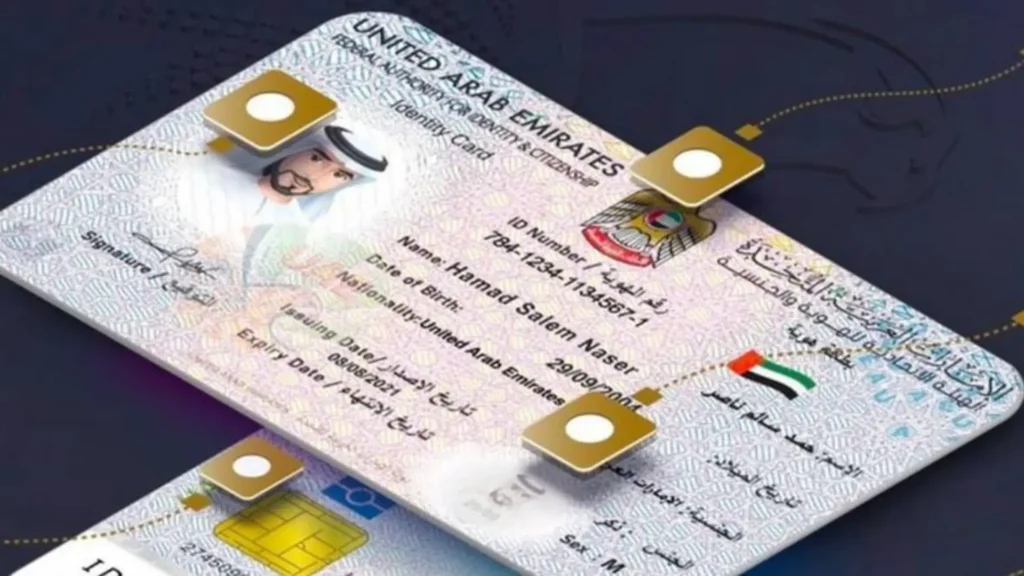

Did you know that over 4.5 million tourists visit Dubai annually, many seeking short-term stays with a 30-day visit visa? This visa allows you to explore the city’s iconic landmarks, from the Burj Khalifa to the Palm Jumeirah, without long-term commitments. Understanding the visa process, costs, and requirements can help guarantee a smooth entry into Dubai. Regardless of for tourism or business, knowing the essentials might be your first step toward experiencing everything this vibrant city offers.
What Is a Dubai 30-Day Visit Visa and Do You Need One?
Dubai’s 30-day visit visa is a crucial component for foreigners planning an extended stay in the UAE, allowing them to remain in the country for up to 30 days. The General Directorate for Residency Affairs in Dubai processes these visas, which come in various types, including tourist, transit, and business visas, each catering to different purposes. The visa processing time typically ranges from 2 to 5 business days, and some visas can be extended or renewed, subject to specific requirements.
The Dubai 30-day visit visa is closely linked to the UAE’s tourism strategy, aiming to attract visitors and provide them with a seamless experience, from applying for a visa to exploring the city’s iconic landmarks, such as the Burj Khalifa and Dubai Mall. Understanding the visa options and processing times is essential for a hassle-free stay in Dubai, and the Dubai Observer is committed to providing authoritative guidance on this topic.
Am I Eligible for a Dubai 30-Day Visa?
Determining eligibility for a Dubai 30-day visa involves understanding the General Directorate for Residency Affairs’ specific requirements. The visa eligibility criteria, as outlined by the UAE Government, depend on nationality, purpose of visit, and adherence to health and security standards. Citizens from eligible countries, such as the United States, can apply directly or through approved agencies like the Dubai Naturalization and Residency Department, while others might need a sponsor. The Dubai Health Authority’s guidelines and the National Emergency Crisis and Disasters Management Authority’s COVID-19 measures also play a crucial role in the visa application process.
The General Directorate for Residency Affairs and the UAE Government’s official website provide the latest guidelines and travel restrictions overview, which outlines current entry rules and quarantine policies. Holding a valid passport, having no criminal record, and demonstrating sufficient funds are essential attributes for eligibility. The Dubai Tourism Board and the Dubai Chamber of Commerce and Industry also offer resources for travelers to understand the requirements and plan their trip accordingly.
What Documents Do You Need for a Dubai Visa?
Securing a Dubai visa is a straightforward process when armed with the right documents, ultimately saving travelers valuable time and effort. The General Directorate for Residency Affairs in Dubai requires a valid passport with at least six months’ validity, a fully filled-out and signed application form, and recent passport-sized photos. A confirmed return ticket and proof of accommodation, such as hotel bookings or an invitation letter, are also essential. These documents demonstrate the traveler’s intention to leave the country and their ability to support themselves during their stay.
The Dubai visa application process is facilitated by the official website of the General Directorate for Residency Affairs, which provides access to the application form and a detailed list of required documents. Travelers can ensure a smooth visa process by submitting all necessary documents, including proof of funds, such as bank statements or payslips, to demonstrate financial stability.
How to Apply for a Dubai 30-Day Visa
Applying for a Dubai 30-day visa is a straightforward process that can be completed through the official Dubai immigration portal, such as the General Directorate for Residency Affairs, or authorized visa agencies like Emirates Airlines or Dubai Tourism. The General Directorate for Residency Affairs is the primary entity responsible for processing visa applications, and it is essential to ensure all necessary documents, including a valid passport, passport-sized photos, and proof of accommodation, are ready before submitting the application. The Dubai Tourism Board also plays a crucial role in facilitating the visa application process for tourists, providing essential information and guidance on the requirements and procedures.
The visa application process typically takes between 3 to 5 working days, during which time applicants can track their application status online through the General Directorate for Residency Affairs website. Once approved, the visa is sent via email, and it is essential to print and carry it when traveling to Dubai, as it is required for entry into the country. The Dubai Airport Free Zone Authority and the Dubai Health Authority are also involved in the process, ensuring that all visitors comply with the necessary health and safety regulations.
The Dubai government has implemented a streamlined online payment system, allowing applicants to pay the visa fee using credit or debit cards, making the process even more convenient and efficient.
Tips to Get Your Dubai Visa Approved Quickly
Securing a Dubai visa is a straightforward process when approached with careful preparation and attention to detail. The General Directorate for Residency Affairs in Dubai, a primary entity in the visa application process, emphasizes the importance of submitting complete and accurate application forms to ensure smooth visa processing. A valid passport with at least six months’ validity, as stipulated by the Dubai immigration website, is a fundamental requirement. The Dubai Visa Center, an authorized entity, provides specific instructions and guidelines to facilitate the application process.
The Dubai Tourism Board and the Ministry of Interior, key entities in the Dubai government, collaborate to ensure a seamless experience for visitors. By applying well in advance and providing clear financial proof, such as bank statements, applicants can avoid delays and ensure a hassle-free experience. The Dubai government’s official website and the Dubai Visa Center serve as essential resources, offering comprehensive information and guidance on the visa application process.
How Much Does a Dubai 30-Day Visit Visa Cost?
Dubai’s 30-day visit visa is a gateway to experiencing the city’s vibrant culture and stunning architecture, with a processing fee ranging from AED 350 to AED 600. The General Directorate for Residency Affairs in Dubai oversees the visa application process, ensuring a seamless experience for travelers. The visa processing time can vary, affecting the overall cost, and may be influenced by factors such as the applicant’s nationality and the type of visa selected.
The Dubai 30-day visit visa can be applied for through various channels, including airlines, travel agencies, and online platforms, each with its own set of requirements and associated costs. The Dubai Health Authority may require additional health insurance coverage for certain applicants, adding to the overall expense. The UAE’s Federal Authority for Identity and Citizenship also plays a crucial role in the visa application process, verifying the applicant’s identity and ensuring compliance with UAE regulations.
What Should You Do If Your Visa Is Denied or Delayed?
Navigating a denied or delayed Dubai 30-day visit visa requires swift action and a thorough understanding of the available options. The General Directorate of Residency and Foreigners Affairs (GDRFA) plays a crucial role in this process, as it is the entity responsible for overseeing visa applications. By carefully reviewing the visa refusal notice, individuals can identify the reasons for denial and consider submitting an appeal through the GDRFA, potentially reversing the decision. This proactive approach can help mitigate delays and ensure a smoother experience.
The Dubai 30-day visit visa application process involves various entities, including the relevant embassy or consulate, which can provide updates on delayed applications due to administrative issues. Understanding the roles of these entities and their relationships with the GDRFA is essential for effective navigation of the system. Additionally, the official website of the GDRFA serves as a valuable resource, offering guidance on the appeal process and refund policies for canceled applications.